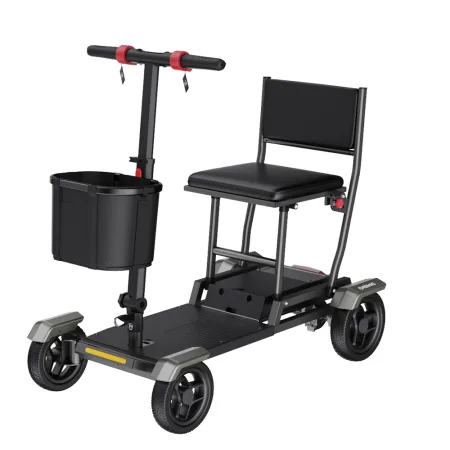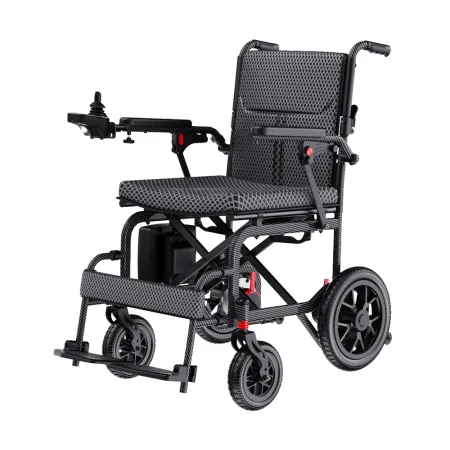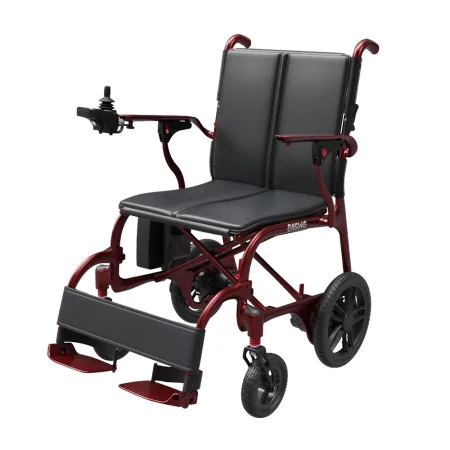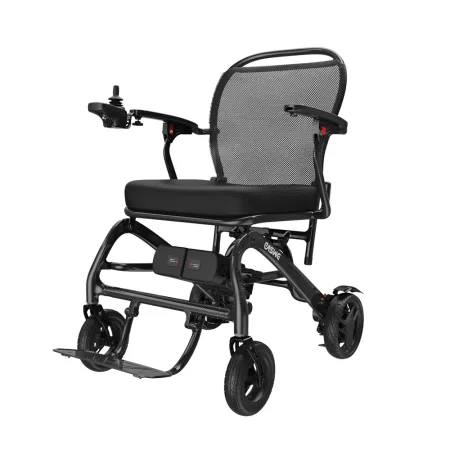

















For individuals with limited or no ability to bear weight in the legs, moving between an electric wheelchair and surfaces such as a bed, sofa, chair, or car seat can be physically challenging. Safety, balance, and upper-body strain are common concerns during these transfers.
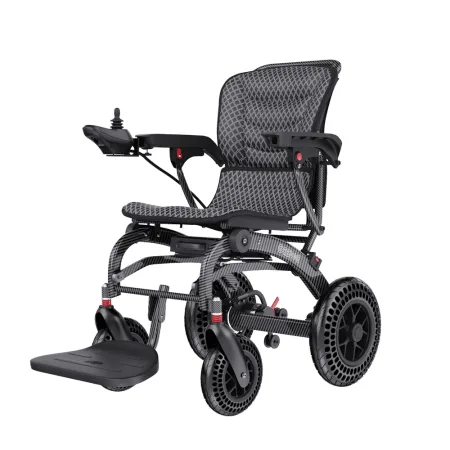
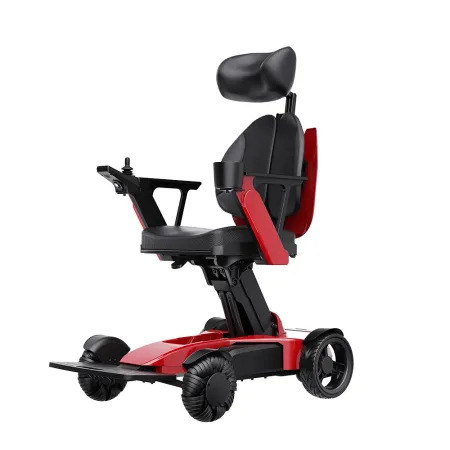
Sliding boards and gait belts are widely used assistive tools that may help improve safety and control during transfers. When combined with electric wheelchairs featuring flip-up armrests, such as selected EASWE models, they can support easier day-to-day mobility routines.
Core Transfer Equipment
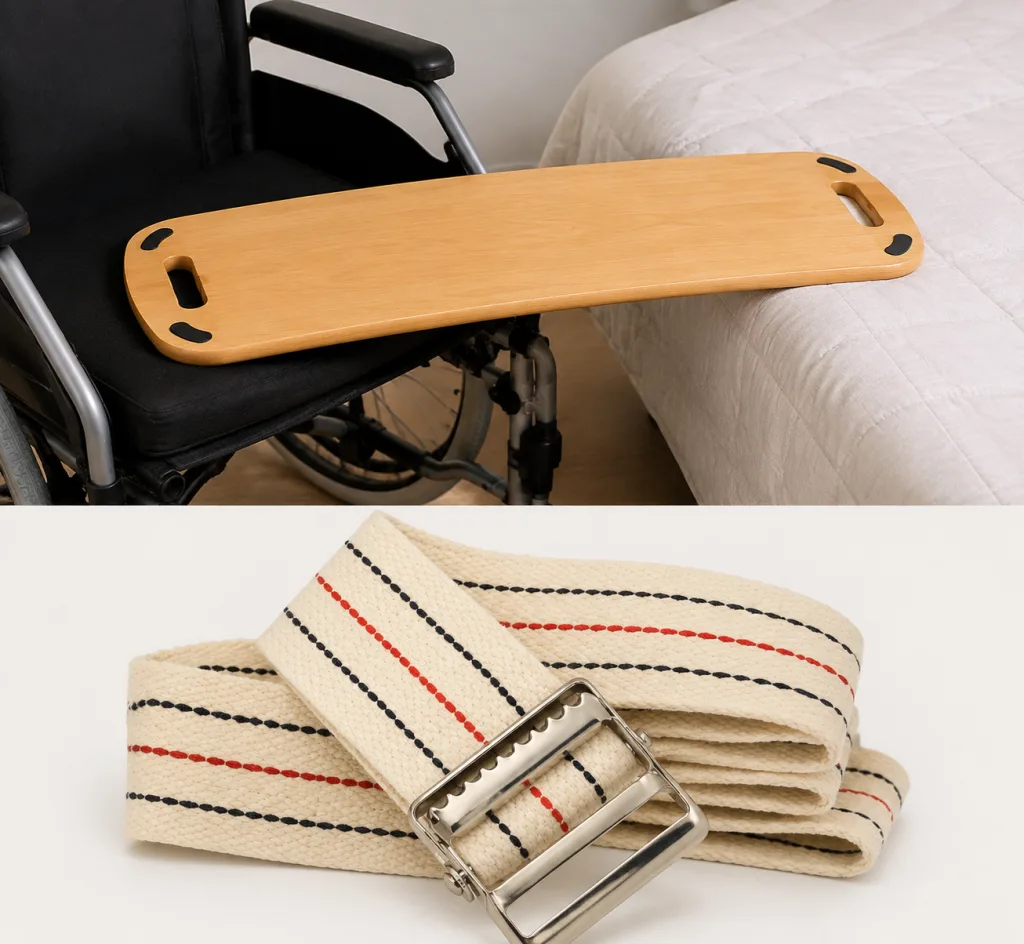
Sliding Board
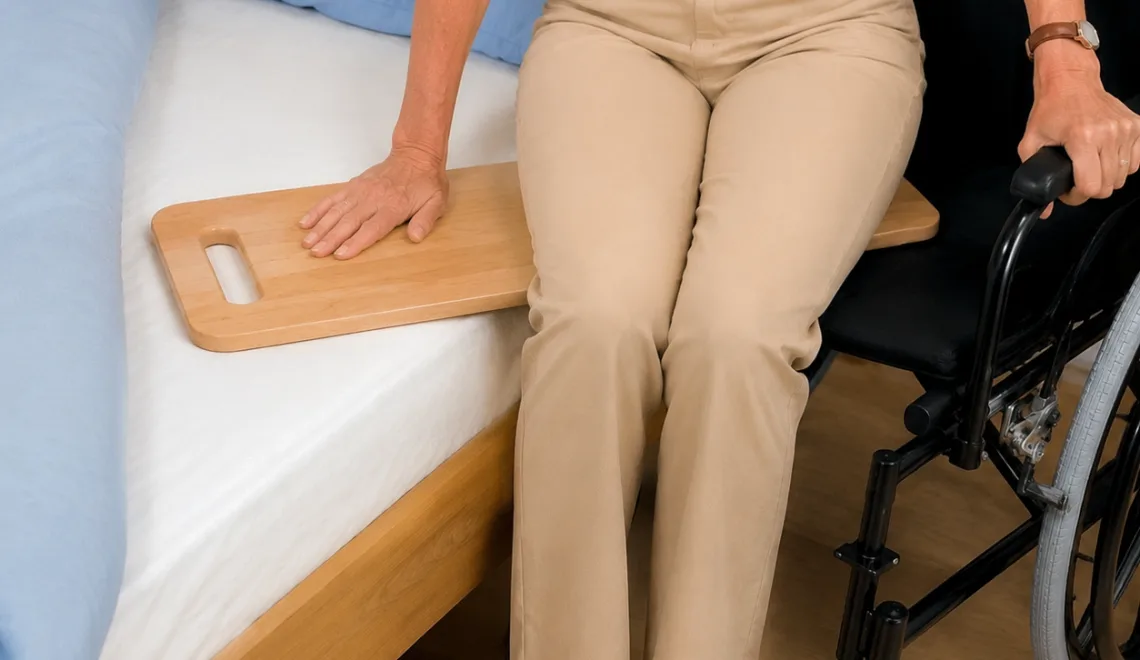
A sliding board is a firm, smooth board that creates a bridge between two surfaces. It allows the user to move across with controlled sliding rather than lifting.
Gait Belt
A gait belt is placed around the waist and used by caregivers to provide steady support and guidance during transfers.
Step-by-Step Transfer Process
Preparation
1. Height selection
Transferring from a higher surface to a lower surface is the easiest. Level-to-level transfers are also acceptable, while transferring from a lower surface to a higher one (uphill transfer) is the most difficult.
2. Wheelchair positioning
Place the wheelchair at an angle to the target surface. Avoid positioning it completely parallel, as this helps shorten the transfer distance.
3. Remove obstacles
Take off the footrests and remove the armrest on the side closest to the target surface.
4. Lock the brakes
Always fully lock the wheelchair brakes before starting the transfer.
5. Position the sliding board
Have the user lean to one side, then securely place the slanted end of the sliding board under the user’s hip.
Key Safety Points
1. Forward lean
The user must be instructed to lean forward throughout the entire transfer. Leaning backward increases the risk of sliding off the board.
2. Hand placement
The user may place their hands on the surface of the sliding board, but must never insert fingers into the handle holes or grip the edges tightly, as this may cause finger pinching during movement.
3. Segmented movement
The transfer does not need to be completed in one motion. It can be done in 3–4 small, controlled movements while staying calm and following verbal cues.
4. Therapist assistance
The therapist should provide clear commands, while holding the gait belt for support and adjusting their position as the user moves.
After Transfer
1. Adjust seating position
Once the user reaches the target surface, assist them in adjusting their posture and sitting position.
2. Remove the sliding board
Have the user lean to the opposite side to safely remove the board.
3. Two-person assistance principle
If there is any uncertainty about safety, two caregivers should assist—one positioned in front to guide and give instructions, and another behind to provide additional support.
EASWE Wheelchair Support
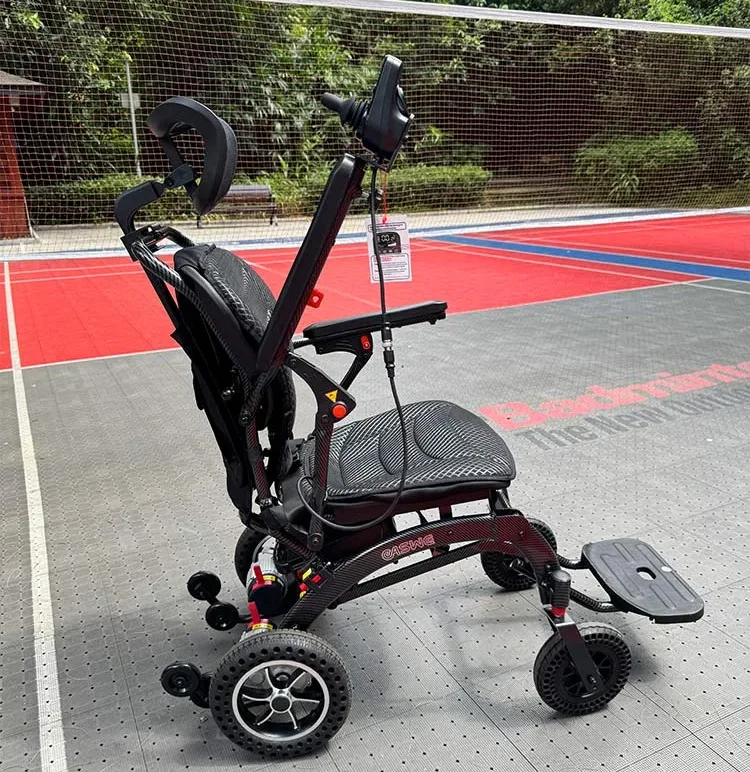
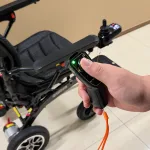
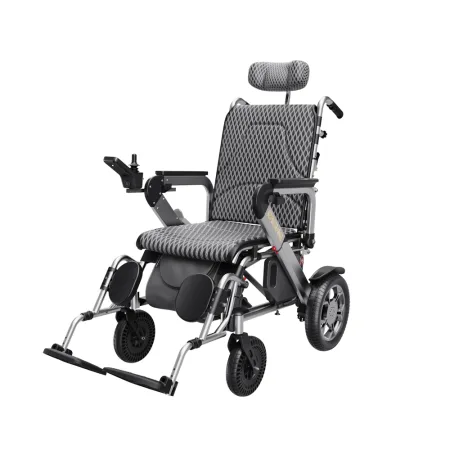
Flip-up armrests on EASWE electric wheelchairs may help create a clearer transfer area, supporting easier use of sliding boards in daily routines.
Final Thoughts
Safe electric wheelchair transfers come down to three essentials: proper technique, the right assistive tools, and consistent practice.
By learning how to use a sliding board, following gait belt safety principles, and choosing a flip-up armrest power wheelchair, users can significantly improve both safety and independence during every wheelchair to bed transfer.
👉https://easwe.gr/product-category/electric-wheelchairs/
Important Note: Always consult a qualified Occupational Therapist or Physiotherapist before starting or changing transfer techniques.