
















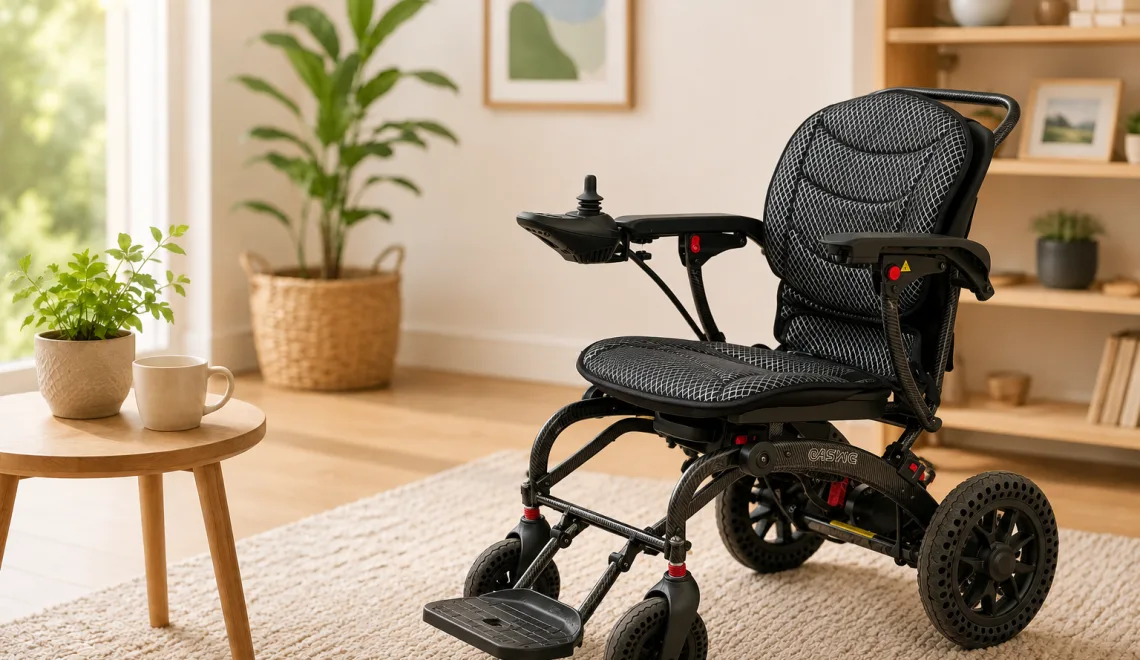
For many wheelchair users in Ireland, electric wheelchairs are used throughout the entire day, making comfort an essential part of daily mobility. Because of extended sitting time, proper seating support and ergonomic alignment are important for reducing discomfort and improving daily usability.
The good news is that modern ergonomic wheelchair design has advanced significantly. Features such as adjustable backrests, contoured lumbar support, and height-adjustable footrests are increasingly becoming standard rather than premium upgrades.
Common Comfort Issues
- Back strain due to insufficient lumbar support
- Pressure build-up from prolonged sitting
- Neck and shoulder discomfort from poor alignment
- Reduced circulation in the legs
- Fatigue caused by posture imbalance
Five Easy Ways to Improve Wheelchair Comfort
Before replacing a wheelchair, several practical upgrades can significantly improve comfort:
• Use a better cushion
Upgrading from a basic cushion to a high-density foam or contoured pressure-relief cushion can improve weight distribution and stability.
• Add lumbar support
Contoured backrests or memory foam lumbar cushions help support the natural spinal curve and reduce lower back strain during long sitting periods.
• Consider lift seats
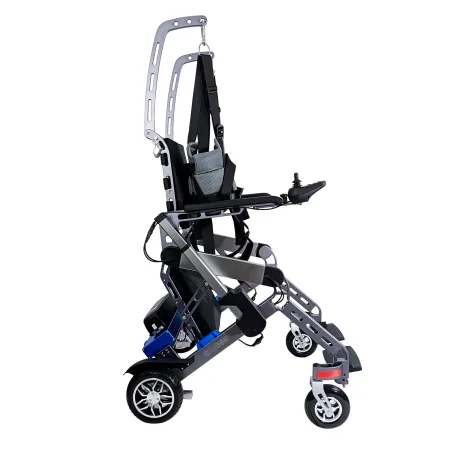
Some electric wheelchairs offer seat elevation functions, which can improve independence and make transfers easier in certain situations.
• Adjust the footrests
Correct footrest height is essential for maintaining proper hip and knee alignment. Even small adjustments can improve circulation and reduce fatigue.
• Recline the backrest
Reclining functions help redistribute pressure and allow periodic changes in posture, improving comfort during long-term use.
EASWE Wheelchair Lineup Designed for Comfort
At EASWE, ergonomic design starts with one principle: comfort should be built into the seating system, not added afterward. Each model in the lineup is designed to support different user needs, body types, and daily usage patterns.
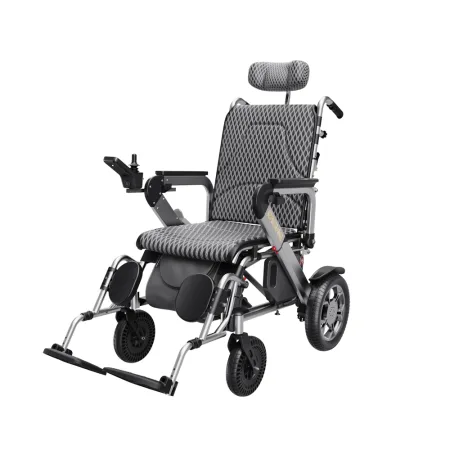
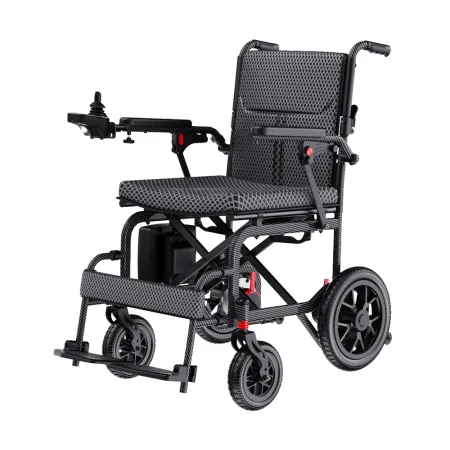
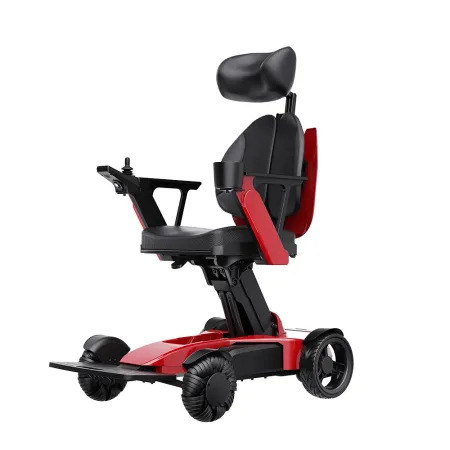
B10 – Balanced ergonomic support for everyday use
The B10 is designed for users who want balanced comfort for daily use.

Key features:
- Ergonomic seat structure for stable posture support
- Adjustable backrest for personalized seating angles
- Adjustable headrest for neck and upper spine support
It is suitable for users who spend long hours in their wheelchair and need consistent, adaptable comfort.
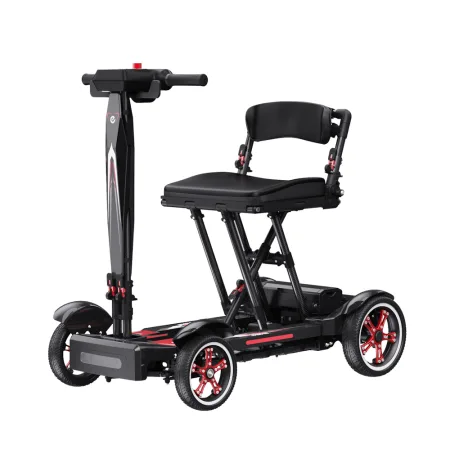
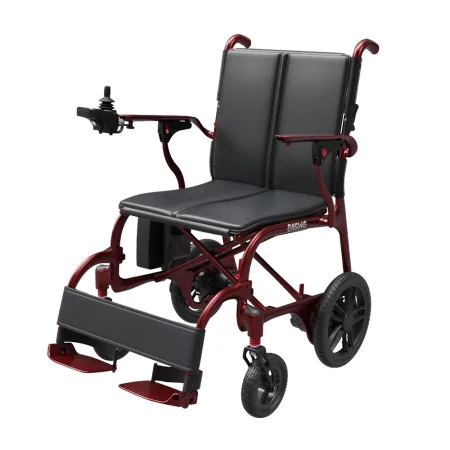
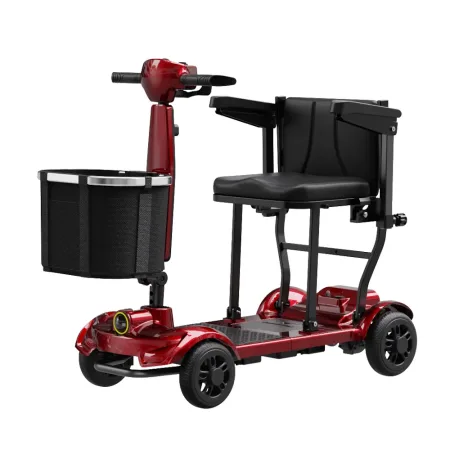
B20 – Practical comfort-focused model
The B20 focuses on delivering ergonomic seating at a more accessible price.

Key features:
- Ergonomic backrest design
- Comfortable seating system for daily use
- Stable structure that helps reduce pressure concentration
It is ideal for users looking for an entry-level option with improved comfort support.
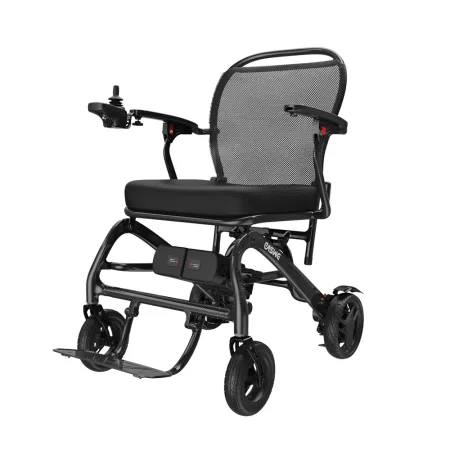
G10 – Reinforced structural support with adjustability
The G10 is designed for users requiring higher weight capacity and reinforced structural support.

Key features:
- Adjustable backrest for posture control
- Adjustable headrest for upper body support
- Adjustable footrests for improved leg alignment
It balances durability with long-term seating comfort.
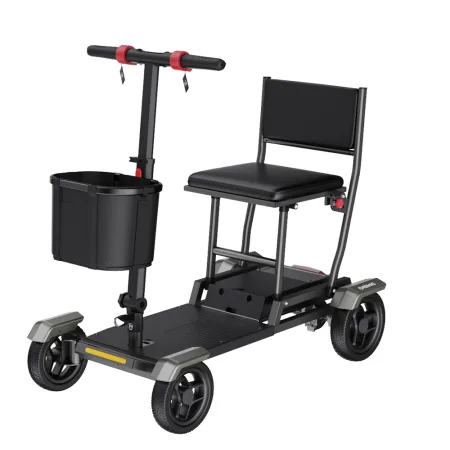
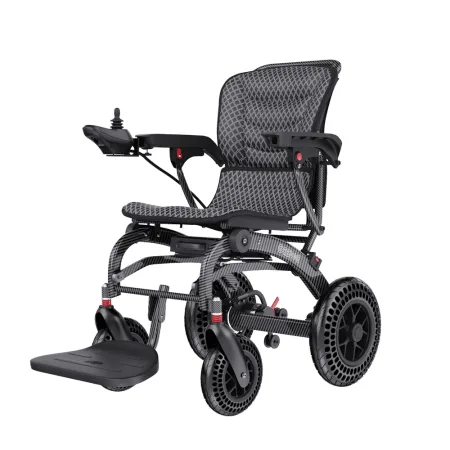
L10 – Advanced seating design with improved posture support
The L10 combines modern design with advanced seating engineering.

Key highlights:
- 3D ergonomic winged backrest for adaptive spinal support
- Seat height adjustment (40–60 cm) for personalized positioning
- Enhanced posture stability with contoured support design
It is designed for users who want advanced comfort customization and modern functionality.
Final Thoughts
Improving wheelchair comfort often does not require major changes. In many cases, small ergonomic adjustments can significantly improve daily comfort and reduce long-term strain.