

















Picture this: you’ve finally booked that trip to see family abroad, or maybe the holiday you’ve been dreaming about for years. Then the anxiety creeps in. What do I tell the airline about my wheelchair? Will the battery be allowed on the plane? What if something gets damaged?
If these questions sound familiar, you’re not alone. Thousands of electric wheelchair users fly every year, and the vast majority arrive safely and on time. The difference between a stressful experience and a smooth one almost always comes down to one thing: preparation.
This guide walks you through everything you need to know about flying with an electric wheelchair, from booking your ticket to collecting your chair at the other end.
Why Flying With an Electric Wheelchair Requires Extra Planning
An electric wheelchair isn’t luggage. It’s a medical device, a mobility aid, and in many ways an extension of the person who uses it.
Unlike a checked bag, your power wheelchair will typically be taken from you at the gate, transported in the cargo hold, and returned to you at the aircraft door after landing. That involves multiple handlers, unfamiliar equipment, and tight cargo spaces. Most aircraft have cargo doors that aren’t large enough for a power wheelchair to stand upright, which means it will often be tilted or laid on its side during loading.
That’s not meant to alarm you. It’s meant to help you prepare.
Common concerns travellers have include:
- Will the battery be confiscated?
- What if my wheelchair gets damaged in transit?
- Will airport staff know how to handle it?
- What rights do I have if something goes wrong?
All fair questions. Let’s go through them one by one.
Know Your Rights as a Passenger
As an EU member state, Ireland applies Regulation (EC) No 1107/2006, which protects the rights of passengers with disabilities and reduced mobility when travelling by air, requires airlines and airports to provide assistance, and prohibits discrimination. In Ireland, the Irish Aviation Authority (IAA) is the body responsible for enforcing this regulation.
You’re also entitled to assistance getting through the airport, from check-in to the gate, if you request it. It’s best to book this special assistance at least 48 hours before departure through your airline, which also covers your return flight if booked with the same airline.
Important: This regulation applies to flights departing from or arriving at an airport in the EU. If you’re flying with non-EU airlines or transiting through other regions, policies may vary. Always check with your specific airline before travelling.
Understand Your Wheelchair Before Travelling
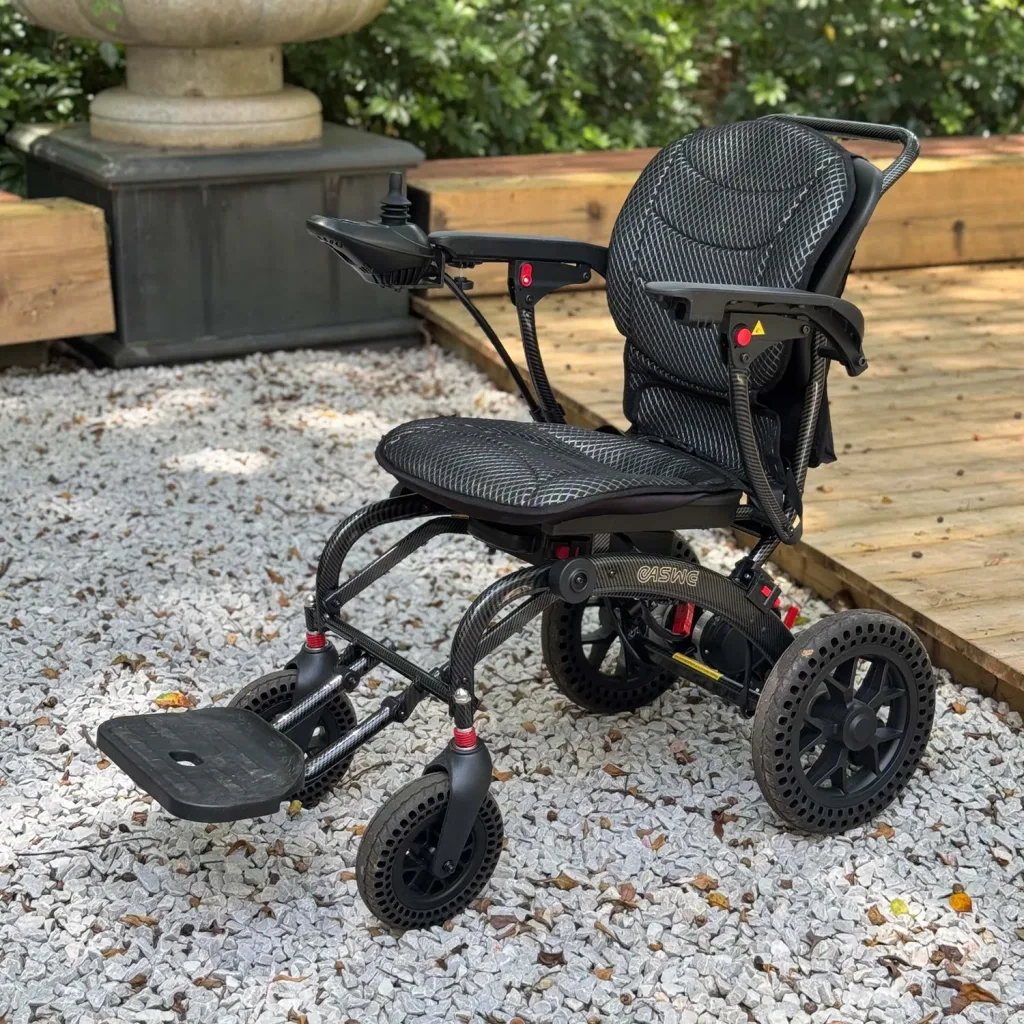
Before you can communicate with airlines and airport staff, you need to know your own equipment well. Many issues at the airport happen simply because a traveller wasn’t sure of their wheelchair’s specs.
Here’s what you should know before you leave home:
- Dimensions (length, width, height, folded if applicable)
- Total weight
- Battery type (lithium-ion, sealed lead acid/gel cell, or wet cell)
- Battery capacity in watt-hours (Wh), which matters for airline approval
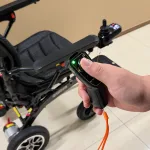
- How to switch to manual mode, so staff can push it without engaging the motor
- Which parts can be removed before loading (joystick, footrests, headrest, armrests, seat cushion)
The more you know about your chair, the easier every conversation at the airport will be.
Understanding Battery Rules
This is where many travellers get confused, and with good reason. Battery rules for electric wheelchairs are specific, and they vary depending on the type of battery your chair uses.
Why Airlines Pay Close Attention to Batteries
Lithium-ion batteries can, in rare circumstances, overheat and catch fire, a serious concern on a pressurised aircraft.
What This Means in Practice
If your power wheelchair uses a lithium-ion battery, the airline may require you to remove it before the chair is loaded into the cargo hold. That removed battery must then be carried into the cabin with you. Battery terminals must be protected from short-circuiting, for example by using a protective case or tape over the terminals.
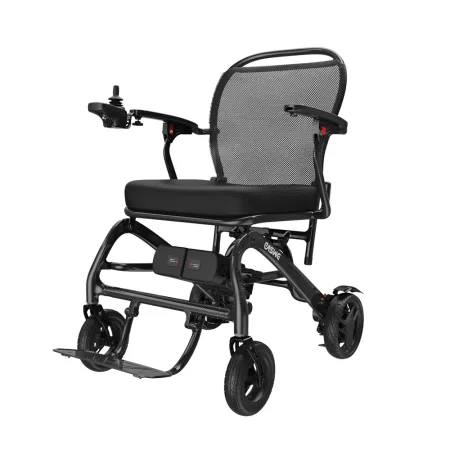
In general, lithium batteries with a capacity of no more than 300Wh can usually be carried without issue. The EASWE wheelchair uses a 12Ah lithium battery with a nominal voltage of 24V, giving a total capacity of 288Wh, which is below the 300Wh limit. Most configurations of EASWE wheelchairs therefore meet the typical requirements for carrying electric wheelchair batteries. However, individual airlines may apply additional requirements of their own, so it’s recommended to check the latest rules with your airline and to declare the battery type and capacity in advance.
Important: Policies can change, and your airline’s specific requirements always take precedence.
Contact the Airline Before Your Flight
Calling your airline ahead of time is one of the most valuable things you can do. Most airlines have a dedicated special assistance team, so use it.
What to Tell the Airline
- That you use a power wheelchair and will be travelling with it
- The make and model of your wheelchair
- Battery type and capacity (in watt-hours)
- Wheelchair dimensions and weight
- Any special handling requirements
Questions to Ask the Airline
- What documentation do you need for my battery?
- Will I need to remove my battery before the chair is loaded?
- How should I protect removed battery terminals?
- Can I be met at the gate with an aisle chair?
- How do I request assistance through the airport?
- What’s the process for getting my wheelchair back at my destination?
Getting clear answers before the day of travel eliminates most of the guesswork and reduces stress significantly.
Airport Check-In and Security Screening
Arrive Early
Give yourself extra time. For wheelchair users, the general recommendation is to arrive at least two to three hours before departure for European flights, and more for long-haul travel. This gives you time for check-in, any conversations about your wheelchair, and a calm passage through security.
Special Assistance at the Airport
Irish airports provide a dedicated special assistance service. This can include help from a designated meeting point through check-in, security, and to the gate. It’s best to book this assistance when you book your ticket, and at least 48 hours before departure, through your airline, so a member of staff can meet you when you arrive.
If your equipment is particularly complex, or this is your first time flying with an electric wheelchair, it can also help to contact the airport’s special assistance team directly to find out exactly how their process works.
Protecting Your Wheelchair During Air Travel
Before You Hand Over the Chair
- Remove detachable accessories. Take off the joystick (if removable), footrests, headrest, armrests, and any accessories such as cup holders or phone mounts. Bring these into the cabin with you. Fragile parts left on the chair are far more likely to be damaged.
- Label everything. Attach a tag with your name, phone number, and destination to the chair itself.
- Use colour-coded tape. Some experienced travellers use coloured tape to mark critical parts and include a legend card explaining what each colour means. This gives baggage handlers clear visual guidance.
- Take photographs. Before handing over your chair, photograph it from every angle. If damage occurs, these photos are your documentation.
- Write handling instructions. Prepare a short note for airline staff: how to push it manually, whether it can be tilted, and where the brakes are. Laminate it and attach it to the frame.
Choosing Flights Carefully
Direct flights are almost always better when travelling with a power wheelchair. Every layover means another transfer, more handlers, more opportunities for damage, and more chances for something to go wrong.
When booking, ask about cargo hold dimensions if you have a larger power chair. Some aircraft have more accommodating cargo spaces than others.
If a direct flight isn’t possible, build in a generous layover to allow time for the wheelchair transfer and any unexpected delays.
What Makes an Electric Wheelchair More Travel-Friendly?

Not all power wheelchairs are created equal when it comes to air travel. If you’re researching chairs specifically for travel, or thinking about your next upgrade, here are the features that make the biggest difference.
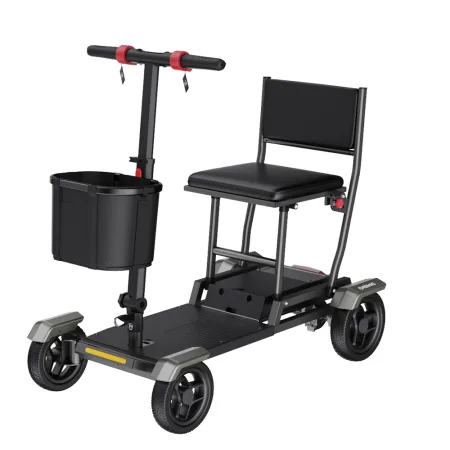
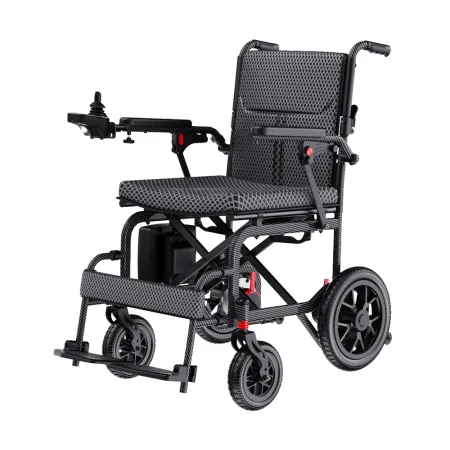
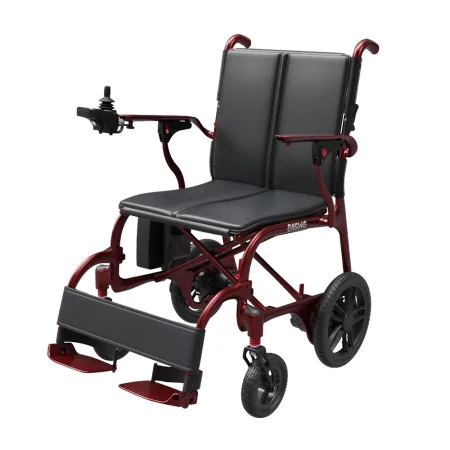
Folding Electric Wheelchairs
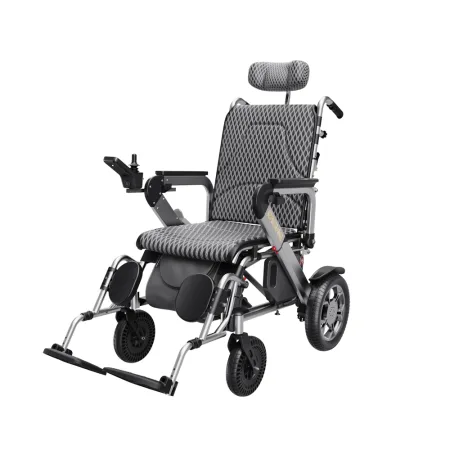
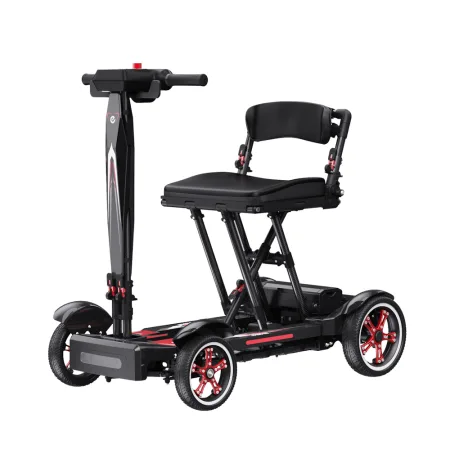
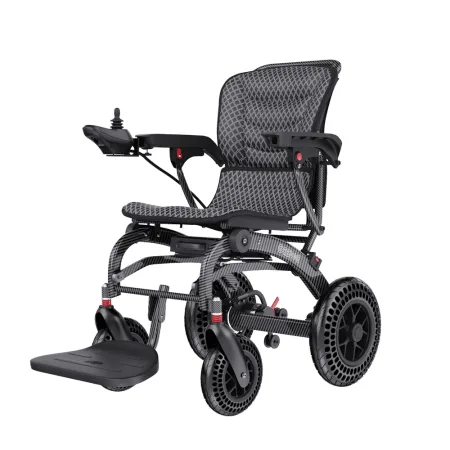
Folding power chairs collapse into a compact package, similar to a suitcase. This makes them easier to store, load, and handle, and reduces the chance of damage during transit. Many also have a “manual mode” so they can be wheeled through the airport once folded. The trade-off is that they tend to offer fewer seating customisation options than larger chairs.
Lightweight Designs
Weight matters, both for airline weight limits and for the physical ease of loading and unloading. Lighter chairs are simply less likely to be handled roughly. Look for chairs with aluminium or carbon fibre frames if portability is a priority.
Dismantlable Models
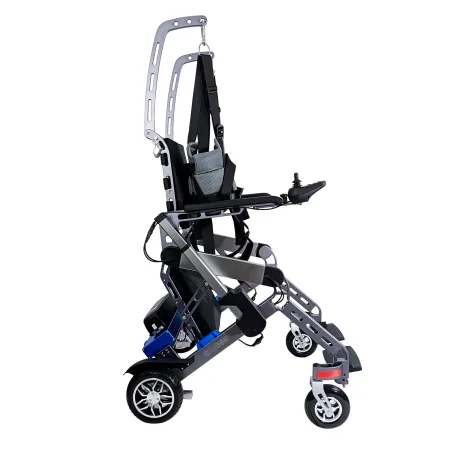
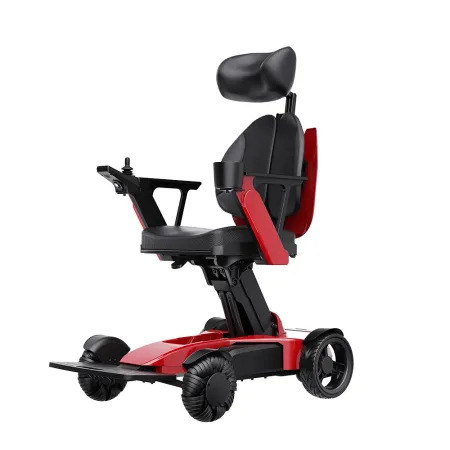
Some power wheelchairs can be broken down into smaller sections, seat, chassis, and battery, that are each easier to lift and handle individually. This can be a good option for travellers who want more seating options than a pure folding chair offers.
Lithium Battery Compatibility
Lithium-ion batteries are lighter than sealed lead-acid alternatives and are generally accepted by airlines with proper documentation and handling. If you’re buying a new chair with air travel in mind, confirm it uses a lithium-ion battery within airline-acceptable watt-hour ranges.
A Simple Pre-Flight Travel Checklist
✓ Confirm airline requirements
✓ Notify the airline about your wheelchair
✓ Verify battery information
✓ Charge batteries fully
✓ Pack important documents
✓ Remove detachable accessories
✓ Take photos of the wheelchair
✓ Arrive at the airport early
✓ Keep essential items in your hand luggage
Final Thoughts
Flying with an electric wheelchair can feel like a lot to manage. But for the thousands of wheelchair users who fly every year, the message is consistent: preparation makes the difference.
Contact your airline early. Know your battery specs. Remove fragile parts before handing over your chair. Take photos. Arrive with time to spare. And don’t hesitate to ask for the assistance you’re entitled to.
Air travel isn’t always perfect, but with the right planning, a smooth journey is absolutely within reach.