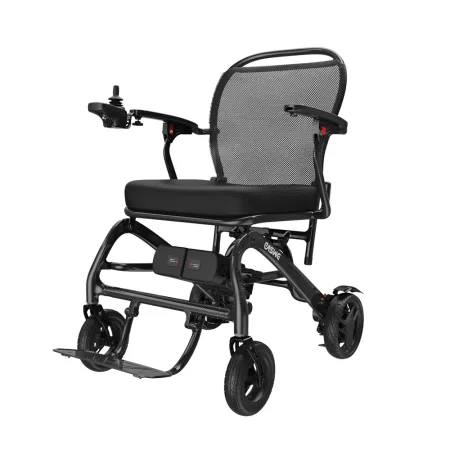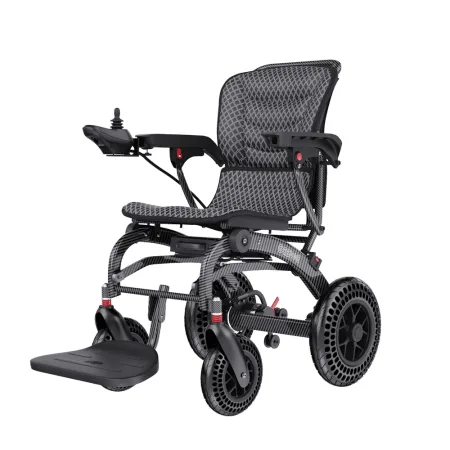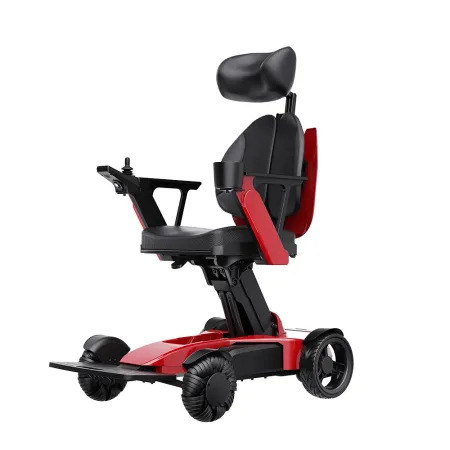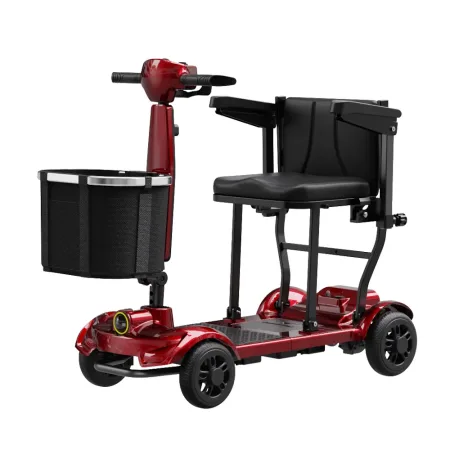

















For many older people in Ireland — an electric wheelchair can be transformative. It can mean the difference between depending on others for every outing and being able to go to the local shops, attend a GP appointment, or visit family independently.
Choosing the right chair, however, is rarely straightforward. This guide focuses on the factors that genuinely matter for daily life, and recommends three EASWE models well suited to the context.
What Matters Most for Seniors
Independent, Confident Operation
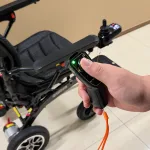
For a powered wheelchair to make a real difference, the person using it must feel comfortable operating it independently. A joystick control that is intuitive and responsive — not too sensitive, not too sluggish. An LCD screen showing battery level helps the user plan around charge without worry.
Getting In and Out of the Chair
Many older adults in Ireland manage arthritis, hip replacements, or reduced lower limb mobility. The physical process of getting in and out of a wheelchair matters enormously in daily life, and it is shaped by seat height, armrest design, and footrest positioning. This is one of the most underappreciated factors when comparing chairs.
Fitting Into an Family Car
Irish families use a wide range of vehicles — and fitting a powered wheelchair in and out of a car boot regularly is a practical reality. A chair that folds to a manageable size and weighs around 16–18 kg means one family member can usually manage loading alone, rather than needing two people every time.
Comfort Over Longer Periods
A Sunday lunch, a hospital appointment, a morning at a day centre — seniors often sit in their chair for well over an hour at a time. At that point, the quality of the seat cushioning, backrest support, and headrest availability goes from being a nice feature to a genuine necessity.
Handling Environments
Between older terraced homes with narrow corridors, village footpaths, and standard shop doorways, environments demand a chair that is compact and precise at low speeds. High top speed is rarely the deciding factor; manoeuvrability in tight spaces almost always is.
Key Specifications Explained
Motor
Brushless motors are quieter and more efficient, and will outlast older brush-type motors. Dual motors — one per rear wheel — provide better grip and smoother turns.
Battery
Lithium-ion is the current standard for good reason: it charges faster, weighs less, and holds its charge more reliably than older battery chemistry.
Range
For most daily use — local errands, a visit to the GP, getting out with family — 15 miles per charge is more than adequate. Seniors with a fuller daily schedule may benefit from a higher-rated model or the option to carry a spare battery.
Weight
Under 42 lb is manageable for most adults when loading into a vehicle. Under 35 lb makes the task easy for a single carer.
Tyres
Honeycomb tyres never puncture and require no inflation — a welcome simplification for seniors and family members, where varied surfaces and wet weather are a year-round reality.
Three EASWE Models Worth Considering
All models include:
- 15–30 mile range
- detachable 12Ah lithium battery
- electromagnetic braking
- 360° joystick
- free shipping & 60-day returns
- 5-year warranty
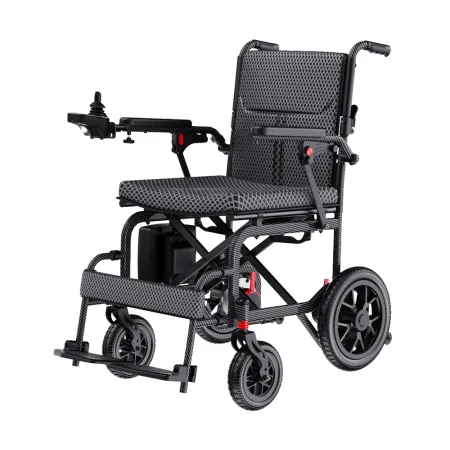
EASWE B10 — Best for Extended Comfort
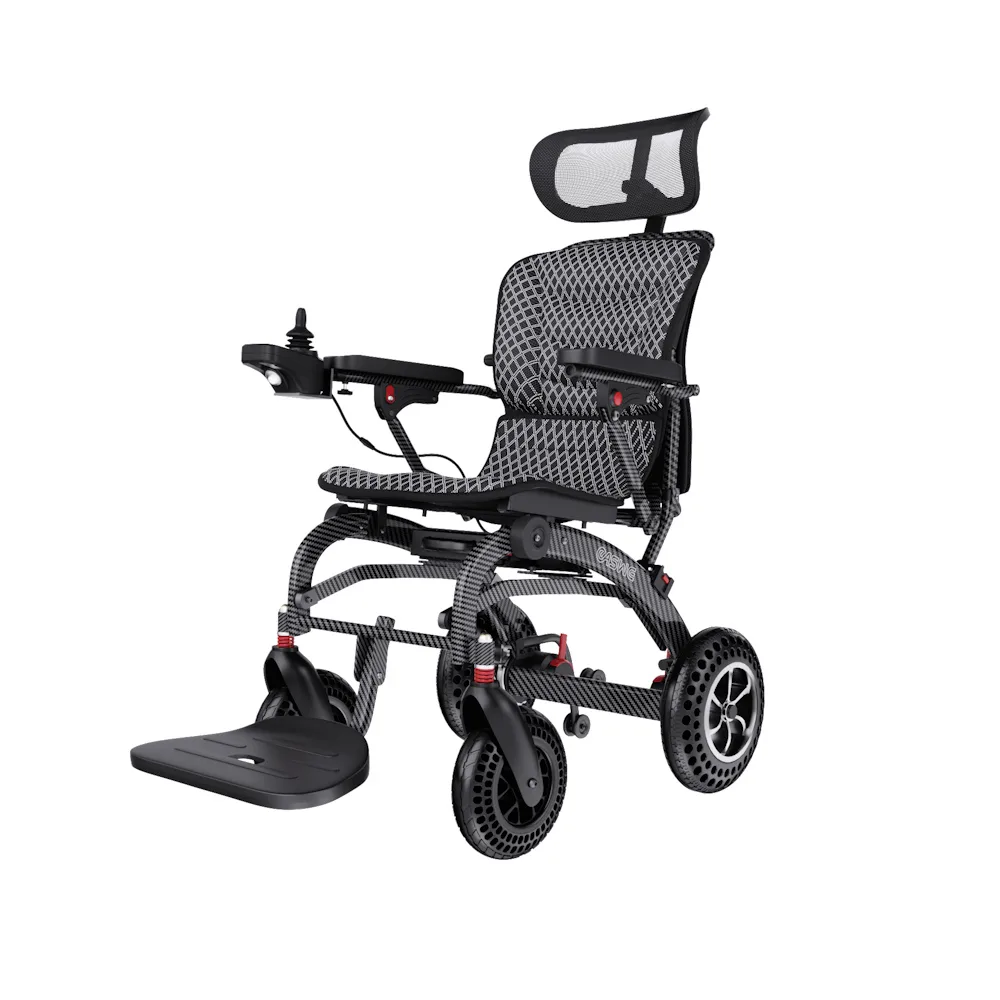
Best for: seniors who spend long periods in their wheelchair, or who need adjustable head and back support.
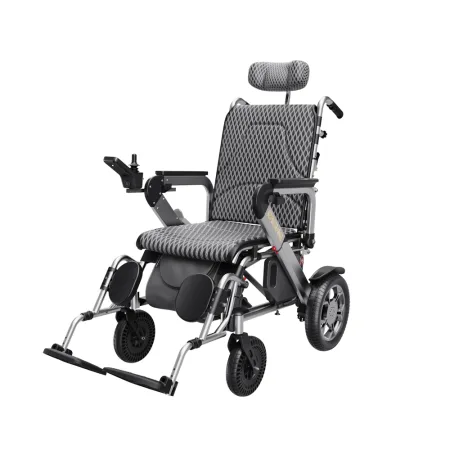
The B10 stands out for its level of adjustability. The headrest, backrest, and armrests can all be configured to suit the individual user — a degree of personalisation that is rarely available in lightweight chairs. For anyone sitting for an hour or more, this makes a meaningful difference.
At approximately 40 lb with an aluminium alloy frame, it remains manageable for a family member to lift into a car boot. The front-to-back fold keeps it compact.
Why choose it:
The B10 is the right option when all-day physical comfort is the top priority. It is particularly well-suited to seniors who have found other chairs uncomfortable after extended sitting.
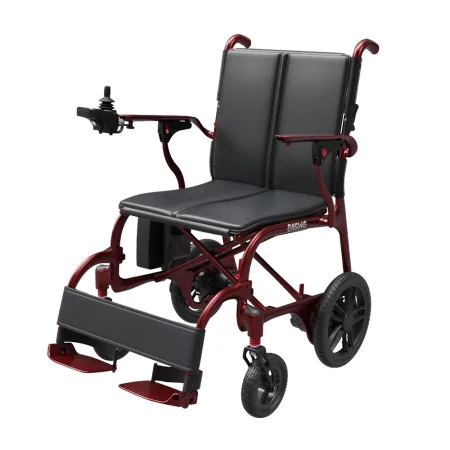
EASWE D10 — Best for Portability
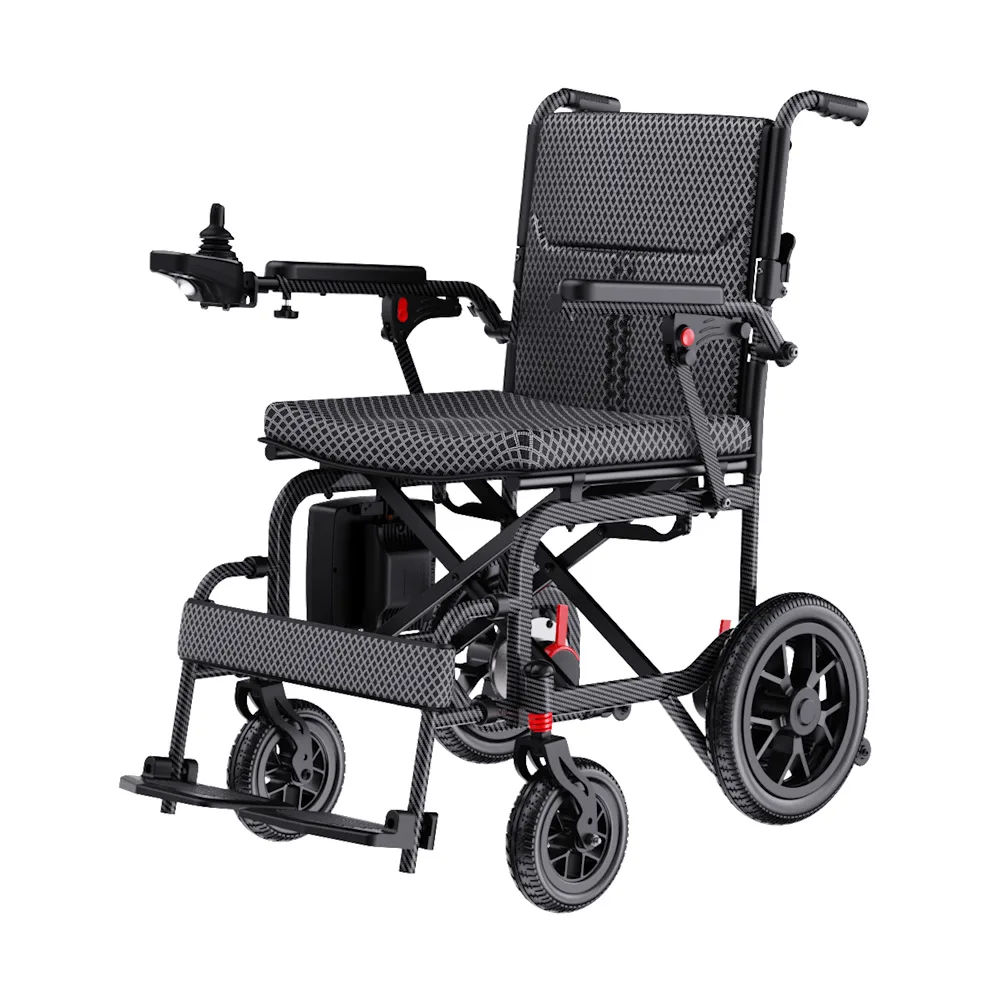
Best for: families who frequently load the chair into the car, or seniors who travel regularly.
The D10 is the most portable option in the range. Its side-to-side fold reduces the width to just 12.2” — a practical fit for most Irish family car boots, including smaller hatchbacks. At approximately 35 lb, it is the lightest of the three. The 17.25 in seat width also makes it more spacious than many comparable chairs.
Why choose it:
The D10 is the answer when transportability is the deciding concern. Its slim folded width and low weight make it the most practical option for regular family outings.
EASWE E10 — Best Value
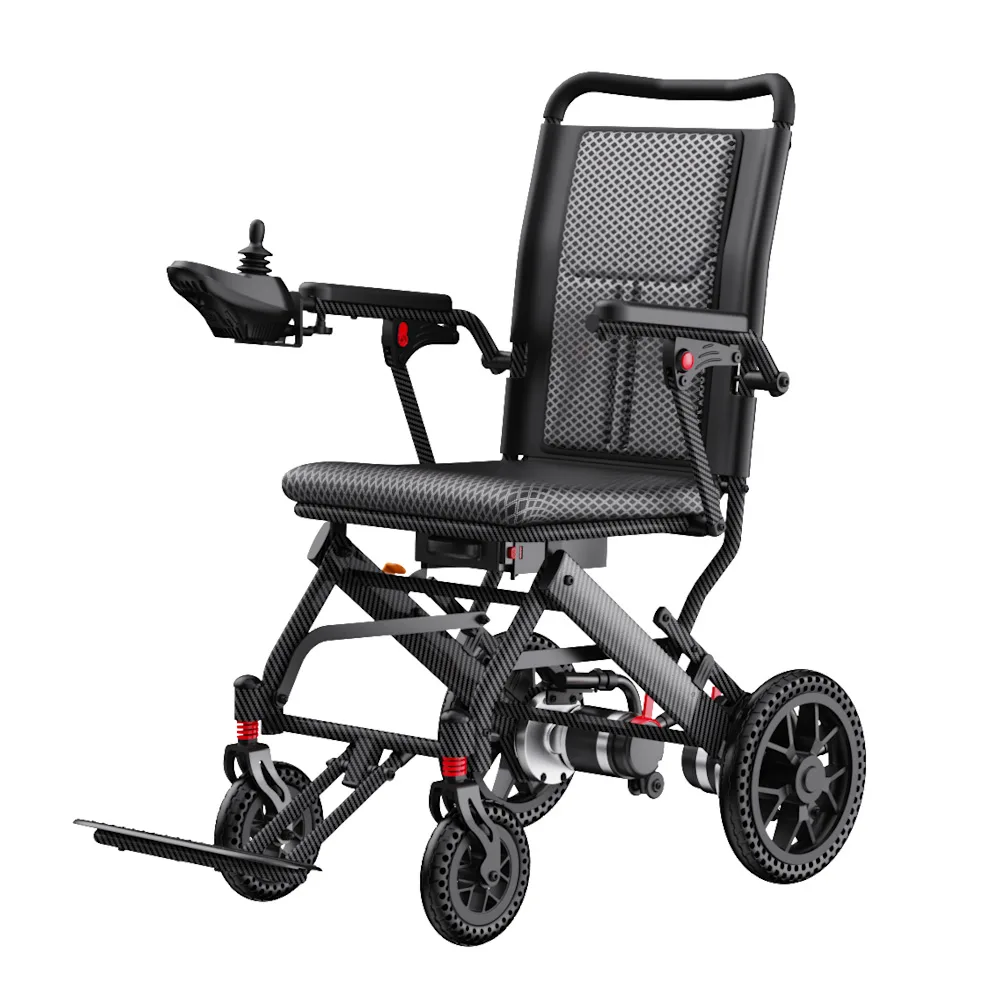
Best for: seniors who are reasonably active and want a capable chair at a more accessible price.
The E10 delivers the same core features as the other two models — detachable battery, electromagnetic braking, 15–30 mile range — at the most competitive price. Its 250W motors and larger 12-inch rear wheels provide a slight edge on inclines and uneven ground. At approximately 42 lb, it is best suited to households where loading into a vehicle is less frequent.
Why choose it:
The E10 offers the best value in the EASWE range. For seniors who use the chair primarily at home or in a single location, it covers all the essentials without unnecessary expense.
Quick Comparison Table
| Feature | B10 | D10 | E10 |
|---|---|---|---|
| Best for | Comfort | Portability | Value |
| Weight | 40 lb | 35 lb | 42 lb |
| Load Capacity | 250 lb | 250 lb | 250 lb |
| Headrest | Yes | No | No |
| Adjustment | Full | Armrests | Armrests |
| Seat Width | 16.5 in | 17.25 in | 16 in |
| Motor | 200W | 200W | 250W |
| Rear Wheel | 10″ Honeycomb tires | 10″ Honeycomb tires | 12″ Honeycomb tires |
| Price |
Frequently Asked Questions
What is the difference between a powered wheelchair and a mobility scooter?
A powered wheelchair uses a joystick and typically provides better postural support, making it well-suited to indoor use, tighter spaces, and users who need a higher level of positioning. A mobility scooter uses a handlebar-style tiller and often suits users who can transfer independently and want to cover longer distances outdoors.
How far will one charge last?
All three EASWE models are rated at 15 miles per charge. Real-world range varies with terrain, user weight, and speed. For most daily use, a full charge will comfortably last the day. Carrying a spare detachable battery is an option for longer outings.
How long does charging take?
Around five to six hours for a full charge. The battery detaches from the chair — no need to move the chair to a particular location.
Can it be taken on flights?
EASWE’s lithium-ion batteries fall within standard carry-on battery regulations for most airlines. Policies do vary between carriers — so it is always worth confirming in advance of travel.
Can a carer push the chair manually?
Yes. All three models can be switched to manual mode, allowing a carer to push the chair freely when the power is off.
What maintenance does an electric wheelchair need?
Keep the battery properly charged, clean the wheels regularly, and carry out periodic checks on key components. EASWE models with honeycomb tyres need no inflation and are not affected by punctures — one less thing to manage in day-to-day use.
Final Thoughts
An electric wheelchair that genuinely suits the person using it — their body, their home, their daily routine — gives back something invaluable: the ability to get around on their own terms.
Start with what matters most:
- sustained comfort
- easy loading into the car
- best value at an accessible price
Then selecting between B10, D10, and E10 becomes straightforward.For personalised guidance from the EASWE team, visit : https://easwe.gr/contact