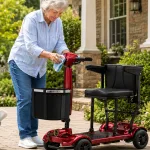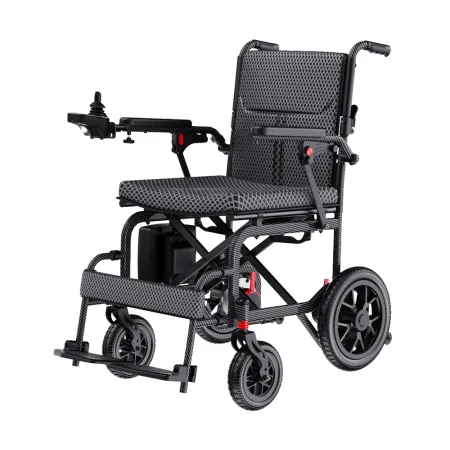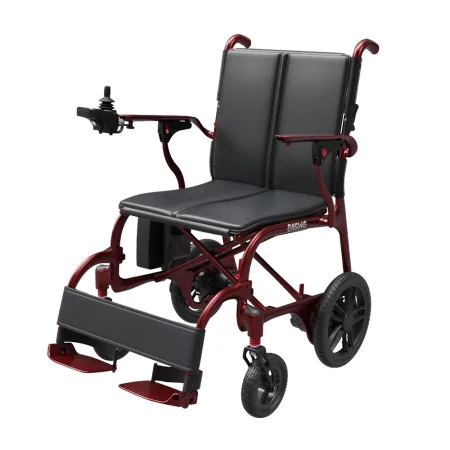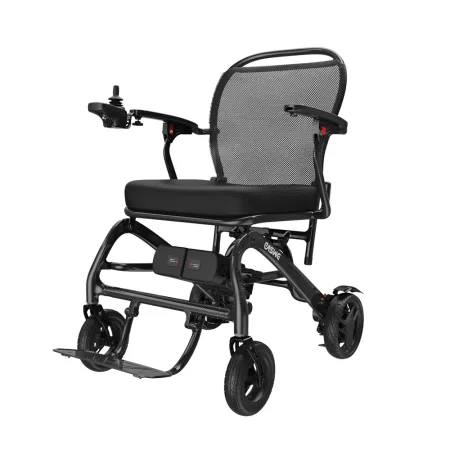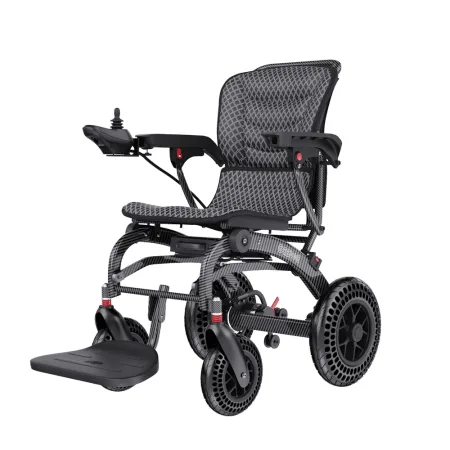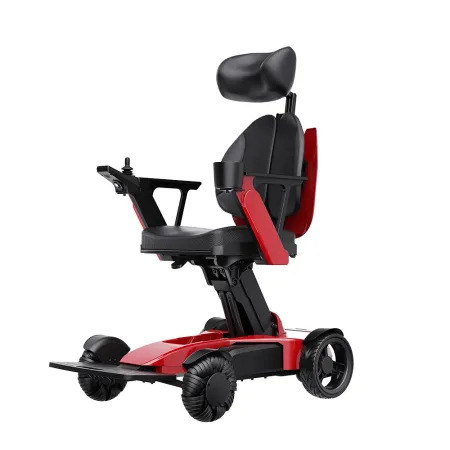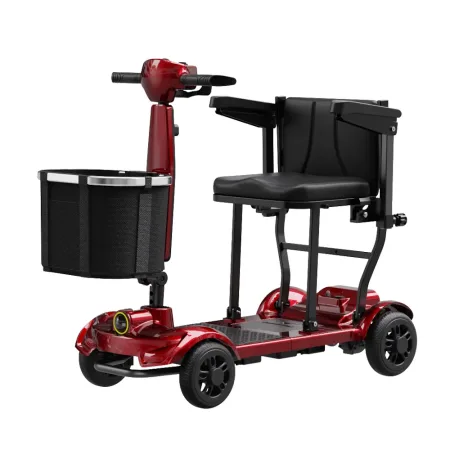
















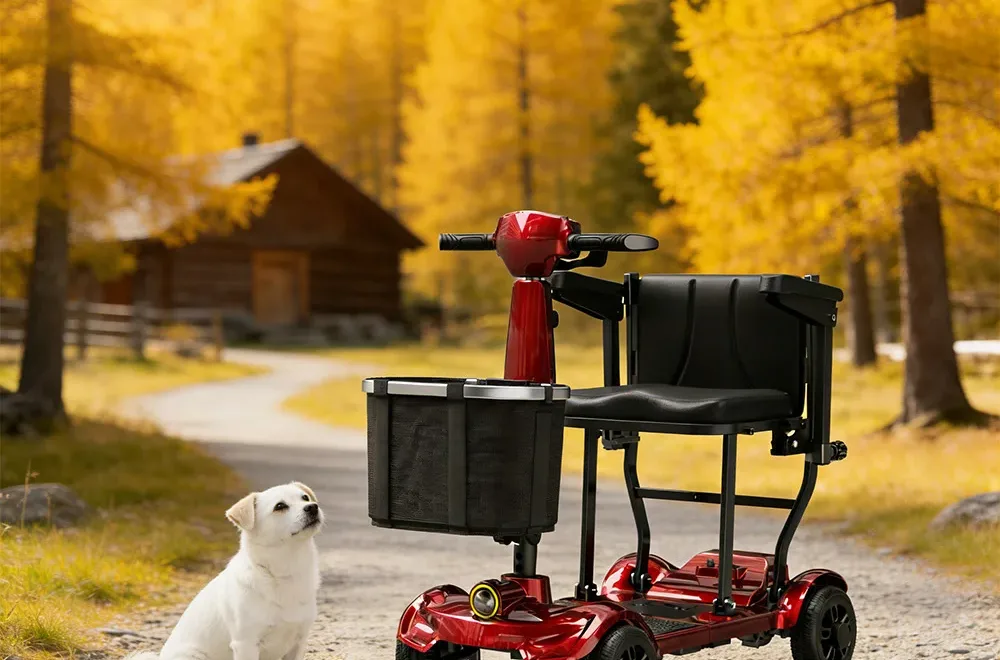
Mobility scooters and wheelchairs make it easier for people with limited mobility to get out and about, enjoy parks, and stay socially active. They help maintain independence and make everyday life more accessible.
But what if you want to travel further—visit family, go on holiday, or explore beyond your local area?
Transporting a mobility scooter might seem like a challenge. The good news is that, with the right scooter and loading method, many models can be safely and easily placed in a car boot.
Different Types of Mobility Scooters
The size, folding mechanism, and weight of your scooter all affect how easy it is to transport.
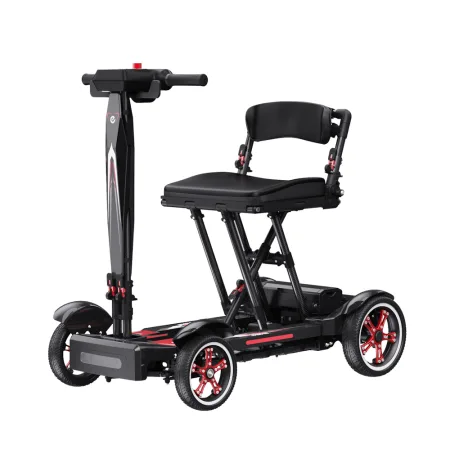
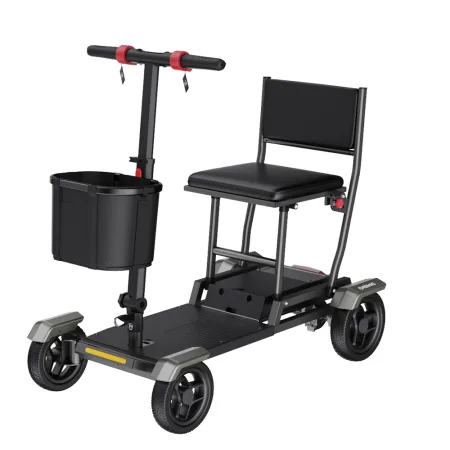
1. Travel / Folding Mobility Scooters
Best for: travel, short trips, easy transport
Weight: approx. 18–32 kg
Key features:
- Lightweight, compact design for easy lifting and storage
- Foldable or tool-free disassembly
- Lithium-ion batteries to reduce weight
- Ideal for car transport and short-distance use
- Shorter range and less stability on rough terrain
2. Mid-Size Mobility Scooters
Best for: everyday indoor and outdoor use
Weight: approx. 41–68 kg
Key features:
- Larger, padded seat with adjustable armrests
- Improved suspension for a smoother ride
- More powerful motor and longer battery range
- Requires more storage space and is less portable
3. Heavy-Duty Mobility Scooters
Best for: longer distances and rough terrain
Weight: approx. 68–159 kg
Key features:
- Reinforced frame for durability
- High-power motor for slopes and heavier loads
- Excellent stability and comfort
- Typically requires ramps, hoists, or larger vehicles for transport
Choosing the right type is essential. Always check product specifications carefully or contact customer support if you need assistance.
Measure Your Car Boot Space
Most folding or travel scooters are designed with car transport in mind, but actual fit depends on your vehicle and the scooter’s folded dimensions.
Different vehicle types offer different levels of space:
- Coupes: smaller boot openings
- Estates: longer loading space
- SUVs: greater vertical height
- Hatchbacks: wide opening and easy access
Even if your boot is relatively compact, loading aids such as ramps or hoists can make transport much easier.
Tip:
Use a boot liner or protective mat to prevent scratches, protect upholstery, and make it easier to slide the scooter in and out. It also helps keep the scooter stable during transport.
Choose the Right Loading Method
There’s no single “right” way to load a scooter—the best method is the one that’s safe, practical, and comfortable for you.
Manual lifting
Folding scooters
Compact models can fold down into a suitcase-like shape within seconds.
Simply fold and place them into the boot or back seat.
👉 View the EASWE M10 for effortless car loading
Disassembly
For scooters that don’t fold but can be taken apart:
- Separate into seat, battery, and frame
- Lift each part individually
- Reduces lifting weight and makes handling easier
Portable ramps
If lifting is difficult, a portable ramp is a practical solution:
- Creates a gentle incline into the vehicle
- Allows you to roll or drive the scooter inside
- Best suited for SUVs, vans, and larger vehicles
Note: ramps require storage space and proper positioning to ensure a safe loading angle.
Boot hoist
For heavier scooters or maximum convenience:
- Powered lifting systems load the scooter automatically
- Installed inside or outside the vehicle
- The easiest option physically, but also the most expensive and may require installation
Key Factors to Consider
When loading a mobility scooter into your car, always consider:
- The size and weight of the scooter
- Your car’s boot dimensions
- Your preferred method of lifting or loading
At Easwe, we’re committed to helping you find the right mobility solution—along with the most convenient way to take it with you.
Explore our range of mobility scooters here: https://easwe.gr