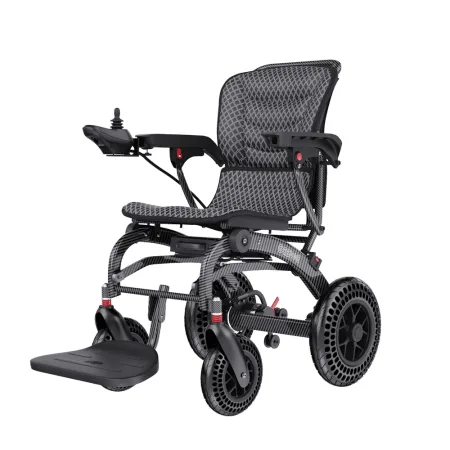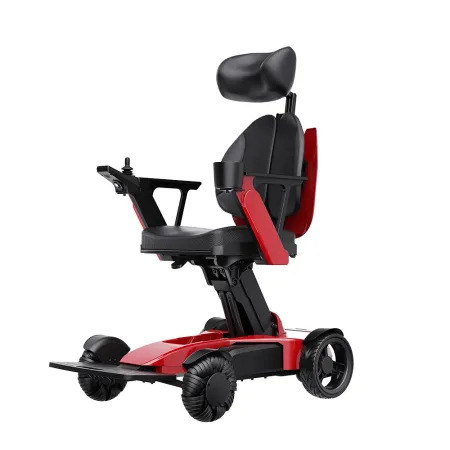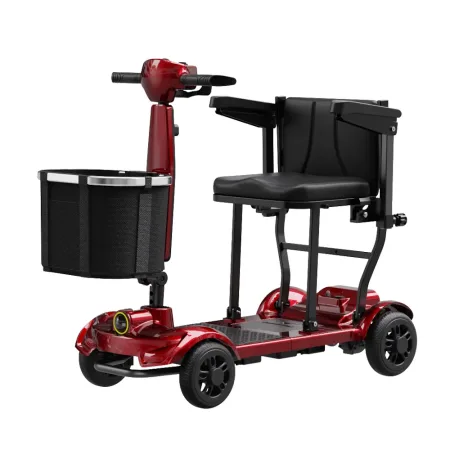


















As a professional manufacturer of power wheelchairs, we regularly receive a wide range of questions from customers. Beyond technical queries about models or maintenance, many concerns are more psychological in nature, such as:
- Will I become dependent on it?
- Will it make me less active?
- When might it be worth trying?
These are some of the most common concerns people have when considering a power wheelchair.
In the sections below, we address each of these questions to give you a clearer and more balanced perspective.
Does an Electric Wheelchair Make You Dependent?
Many people associate mobility aids with “losing ability” or “giving up”. It can feel like crossing a line—from independence to dependence. However, in real-life use, the experience is often quite different.
For people living with conditions such as multiple sclerosis (MS), mobility can change gradually and unpredictably, often depending on energy levels. One day walking may feel manageable, while the next it can be exhausting.
So the more helpful question is not:
“Will this make me dependent?”
But rather:
“Will this help me manage my energy better and live more fully?”
In many cases, people do not become more dependent—in fact, they often become more active.
1. Energy Conservation
Fatigue in chronic conditions is not simply “feeling tired”—it can be physical, neurological, or systemic.
Using a power wheelchair can:
- Reduce the effort required for walking
- Help you conserve energy for meaningful activities
- Prevent overexertion that may worsen symptoms
2. Greater Participation in Daily Life
Many users find that once they begin using a wheelchair, they are able to:
- Get out and about more often
- Spend more time with family and friends
- Travel without worrying about how far they can go
That’s not dependence—it’s increased access to everyday life.
3. Reduced Risk of Falls
Conditions that affect balance, coordination, or muscle strength can increase the risk of falls.
A mobility aid can:
- Lower the risk of falling
- Improve confidence when moving around
- Reduce activity limitations caused by fear
Does Using a Power Wheelchair Make You Less Active or Weaker?
The answer depends on your individual condition and lifestyle.
Using a power wheelchair does not automatically lead to a decline in physical ability. In practice, many people find that they actually become more active—going out more often, taking part in activities, and staying socially connected.
A balanced approach is usually recommended:
- Use the wheelchair for longer distances or when fatigue is significant
- Continue walking or doing physiotherapy where appropriate
- Follow a personalised activity or rehabilitation plan
The goal is not to replace movement, but to support mobility—helping you stay independent while maintaining physical function as much as possible.
When Should I Consider Using a Power Wheelchair?
Power wheelchairs are designed to support independence and improve mobility for people who find walking difficult.
You might consider trying one if:
- You avoid going out because of fatigue
- You feel exhausted after short distances
- You’re concerned about falling
- You rely heavily on others for longer trips
Trying a mobility aid doesn’t mean committing to it permanently—it simply means exploring what helps you live better.
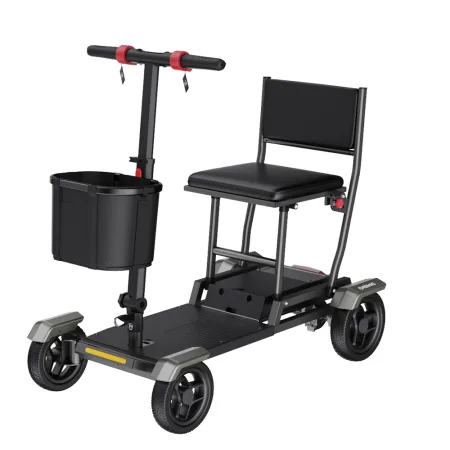
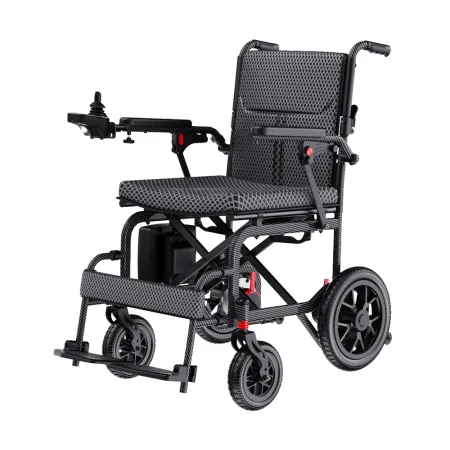
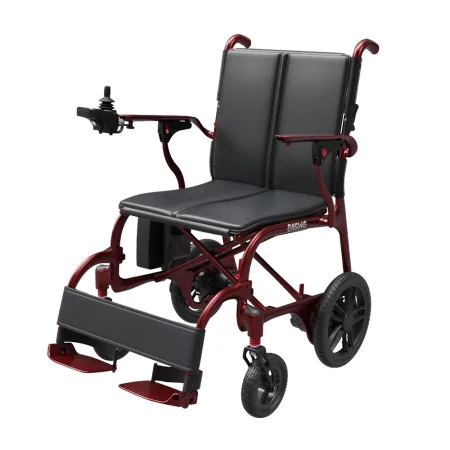
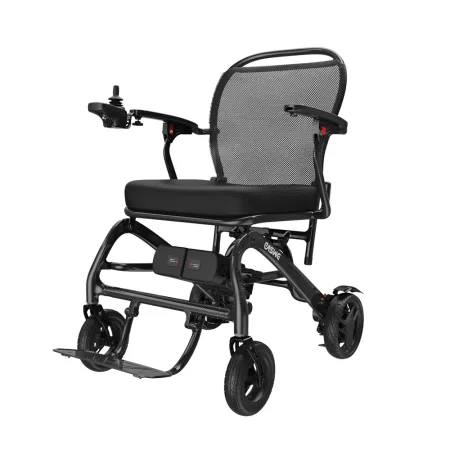
If you’re looking into mobility solutions, a well-designed power wheelchair can make a real difference to your independence and quality of life.
👉 Explore Easwe’s range of electric wheelchairs: https://easwe.gr
Final Thoughts
Choosing to use a mobility aid is not a step backwards. It’s a practical tool—like many others we rely on in daily life. And like any tool, it should work for you, not define you.
If you’re unsure, it’s always worth speaking with your physiotherapist or healthcare professional.
The goal is simple: to help you stay as active, safe, and independent as possible—on your own terms.